Types of Scaffolding: A Complete Guide for Homeowners & Contractors
When it comes to building, repairing, or painting, one thing every project needs is a solid and safe scaffolding system. Whether you’re a homeowner tackling small repairs or a contractor managing a large construction site, you already know how important good scaffolding is.
Scaffolding might look simple from a distance (just a few poles and boards), but in reality, it’s the backbone of every safe and efficient construction site. From tall city buildings to small home renovations, the right scaffolding system makes all the difference.
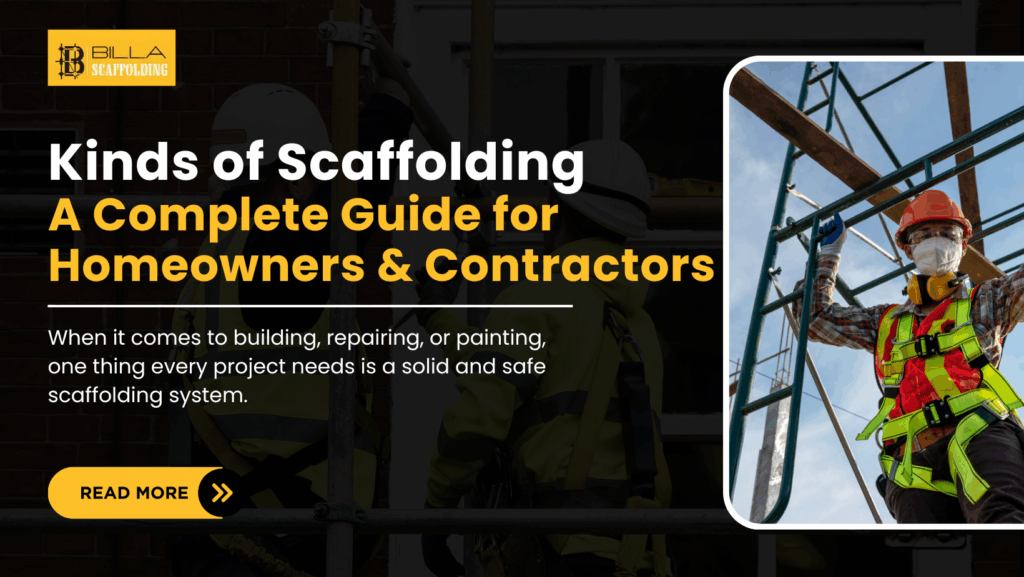
At its very core, scaffolding is a temporary structure that supports workers and materials during construction or maintenance. It provides solid and safe access to heights and hard-to-reach areas, offers a place to keep tools, and make sure that the work is carried out efficiently and absolutely securely.
But here’s the thing, that there’s no single type of scaffolding that suits every project. The perfect system depends on the job type, structure design, and height requirements. Let’s take a closer look at the most common types of scaffolding and where each one fits best.
What is Scaffolding?
Scaffolding is a very temporary structure that helps workers to work safely at heights and reach all those hard-to-reach areas. It gives them a steady base to move around, reach higher areas, and carry tools or materials without risk. Scaffolding is built to make sure jobs get done properly, whether it’s fixing a roof, cleaning windows, or building a new property from the ground up.
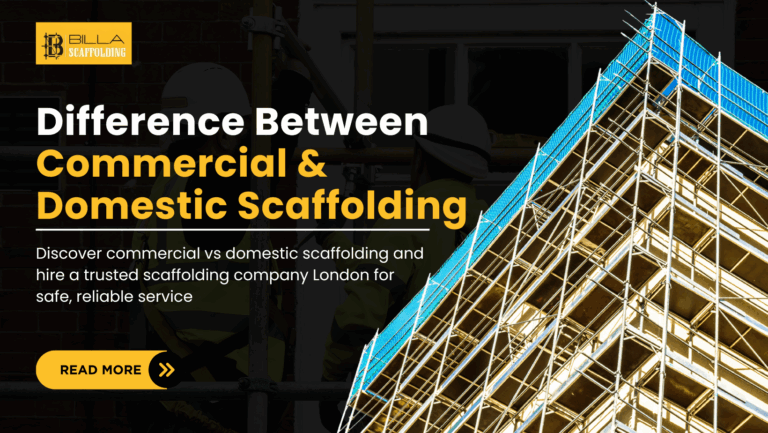
But not all scaffolding is the same. The setup you need depends on the kind of work you’re doing. A homeowner repainting a house doesn’t need the same setup as a contractor building a commercial block.
Scaffolding for Homeowners
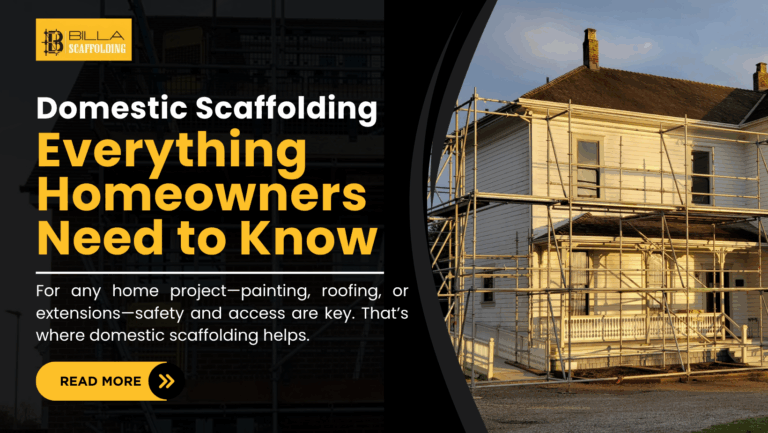
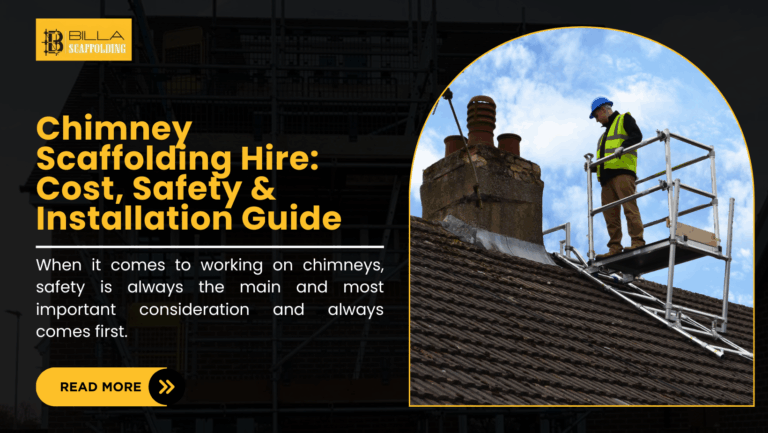
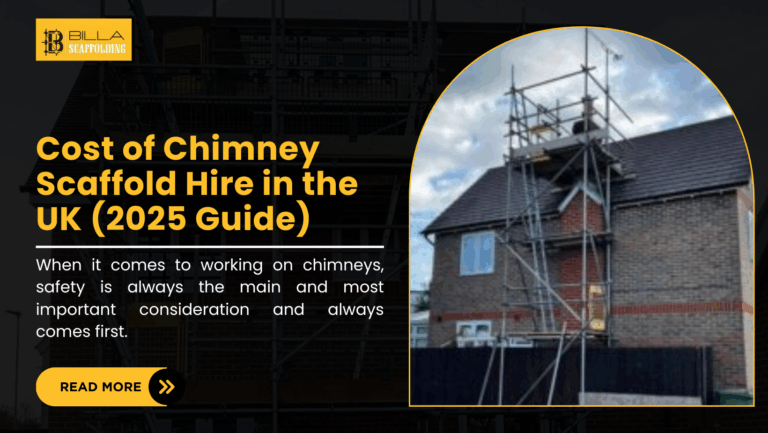
If you’re a homeowner, you might need scaffolding for smaller projects around the house, things like painting, gutter repairs, roof work, or chimney maintenance. The main goal here is simple: to make sure you or the workers can reach higher spots safely and comfortably.
Homeowners usually look for scaffolding that’s quick to set up, stable, and easy to fit around their property. You don’t need heavy-duty structures; you just need something practical and secure.
Scaffolding for Contractors
Contractors deal with bigger, more demanding projects, from large buildings and bridges to industrial sites. Their scaffolding needs to be strong, flexible, and safe for longer use. It’s not just about height but also about supporting weight, materials, and multiple workers at once.
Contractors often need setups that can handle complex designs or limited ground access. Safety standards are a must, so everything has to be built and checked carefully before work begins.
Different Types Of Scaffolding
Supported Scaffolding
Supported scaffolding is the most common and widely used type. This type of scaffolding setup is strong, stable, and perfect for jobs where workers need to move up and down frequently. Supported scaffolding is very safe, reliable, and easy to construct, making it a popular choice for both homeowners and professional contractors.
If you’re starting a renovation or managing a construction site, supported scaffolding is one of the simplest and most dependable systems to go for.
Mobile Access Towers
If you need a flexible and easy-to-move option, mobile access towers scaffolding are the way to go. These mobile access towers come with wheels at the bottom, allowing workers to roll them around the site without dismantling the whole setup.
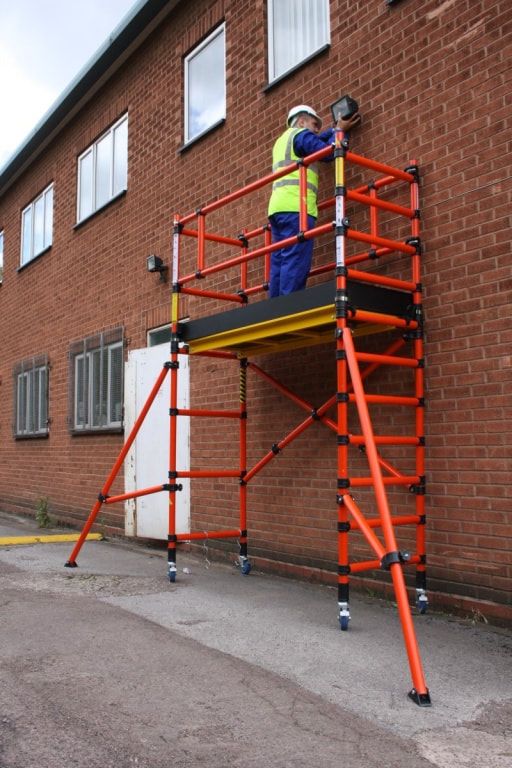
They are absolutely great for smaller tasks and are pretty lightweight and easy to assemble; mobile access towers are ideal for both homeowners doing DIY projects and contractors working on short-term jobs.
The best part? They’re quick to move and set up, which means less downtime and more work done in a day
Temporary Scaffold Bridges
Sometimes construction sites need to connect two points or provide a walkway for workers and the public. That’s where temporary scaffold bridges come in.
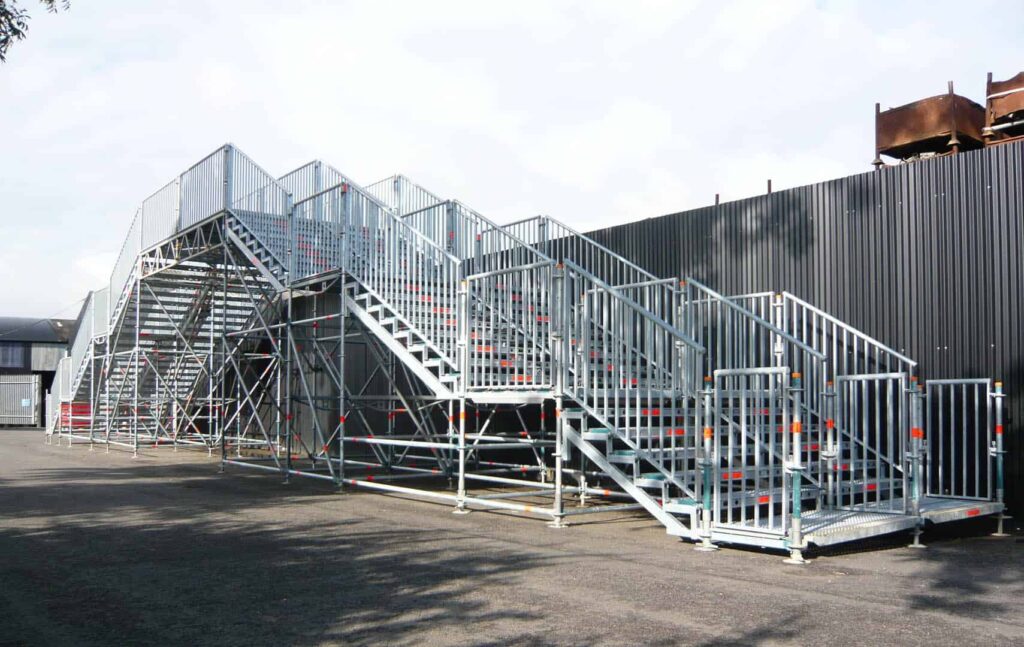
These bridges are built using strong scaffolding materials to create safe access over obstacles like roads, rivers, or ongoing work areas.
Cantilever Scaffolding
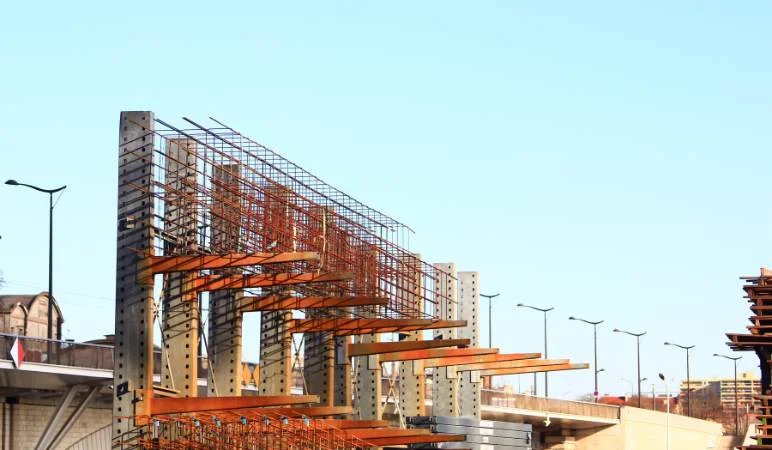
Cantilever scaffolding is the go-to solution when you can’t place scaffolding directly on the ground. Maybe there’s a glass extension, a pathway, or an uneven surface below in those cases, this system saves the day.
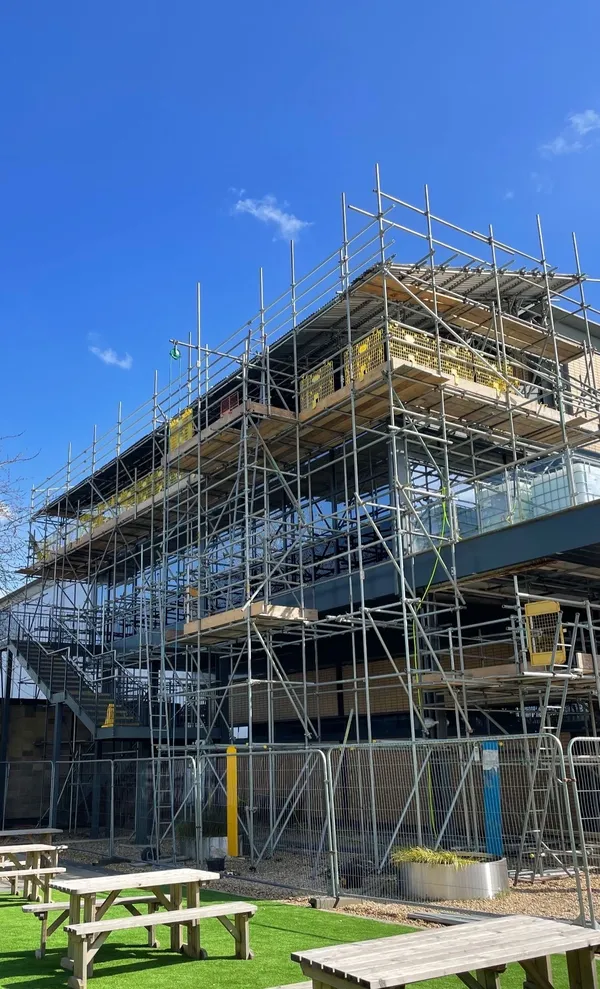
It’s anchored at one end, allowing the scaffold platform to extend outward without any ground support underneath. Contractors often rely on cantilever scaffolding for repairs, restoration, or façade work where space and safety are both priorities. It gives workers solid access while keeping the area below free and clear.
Haki scaffolding
Haki scaffolding is known for being durable, strong, and extremely flexible.The beauty of Haki scaffolding lies in its design; the components are lightweight yet strong, making them quick to assemble and adjust.
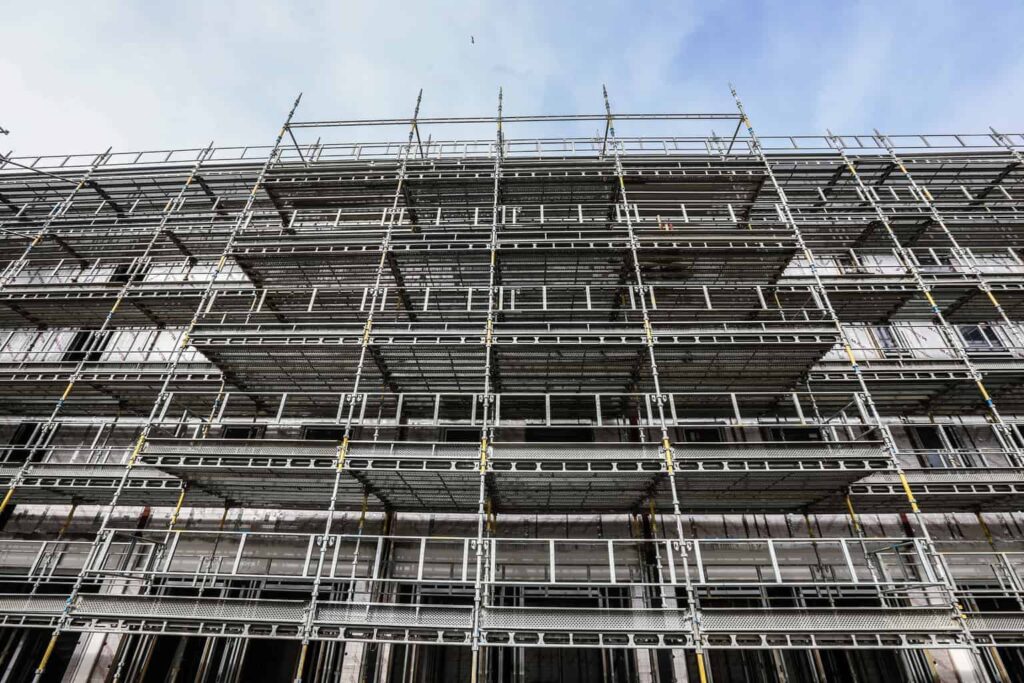
Whether you’re building, repairing, or maintaining a structure, Haki scaffolding gives your team the solid platform and adaptability needed to get the job done efficiently.
Build Safer and Smarter with Billa Scaffolding
Scaffolding might look simple from the outside, but it’s a crucial part of any construction or renovation process. Each system, whether supported scaffolding, suspended scaffolding, or another type, serves a unique purpose.
If you’re planning a project and want safe, reliable scaffolding for construction projects, reach out to Billa Scaffolding. With expert installation, solid structures, and a focus on safety, Billa Scaffolding makes it easy to get your project started the right way.
Contact Billa Scaffolding today and find the perfect scaffolding setup for your next project safe, strong, and ready to go.
Frequently Asked Questions (FAQs)
1. What is the main purpose of scaffolding?
Scaffolding is a temporary structure that provides safe access to heights for construction, repairs, or painting. It allows workers to move freely, store tools, and complete projects efficiently while reducing the risk of accidents.
2. How do I know which type of scaffolding to use?
The right type depends on your project’s height, location, and requirements. Supported scaffolding is great for most construction projects, suspended scaffolding works well for tall buildings, rolling scaffolding is ideal for indoor tasks, and cantilever scaffolding is best when ground space is limited.
3. Is scaffolding safe to use for home projects?
Yes, scaffolding is safe when installed and used correctly. Always ensure it’s set up on a stable surface, follow weight limits, and consider hiring professionals for larger or more complex setups.
4. Can scaffolding be used indoors?
Absolutely, try trestle and rolling scaffolding, they most are commonly used indoors for tasks like painting, ceiling work, and light maintenance.
5. Why should I choose Billa Scaffolding for my project?
Billa Scaffolding provides expert installation, strong and reliable structures, and a focus on safety. Whether it’s a small home repair or a large construction site, their scaffolding solutions are tailored to meet your needs efficiently and securely.